Foraging
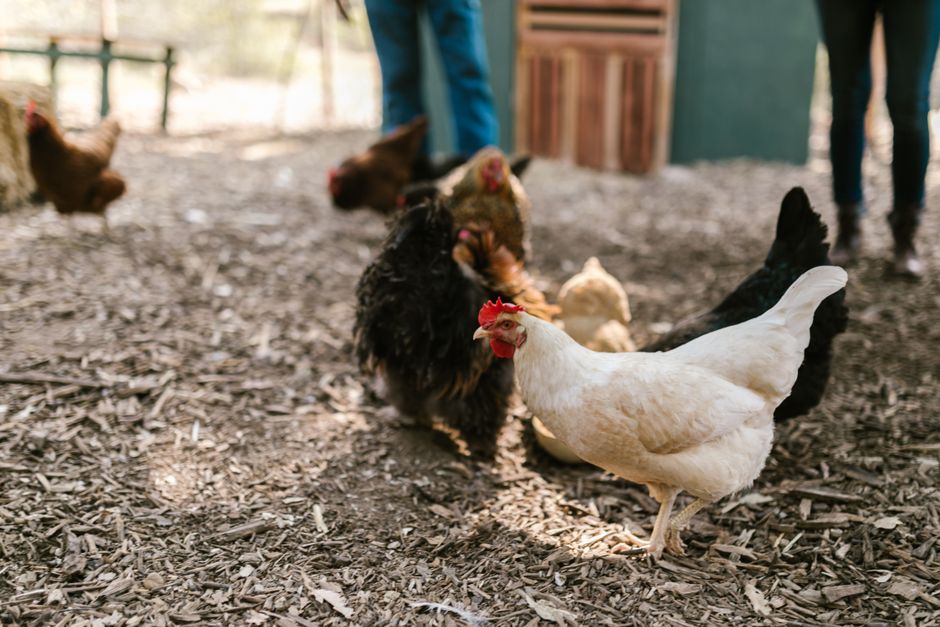
Keeping hens is one of those ideas that sounds romantic and turns out to be mostly practical — which is, in my experience, the best kind of idea. Three birds will give a household more eggs than it can reasonably eat, a steady supply of nitrogen-rich bedding for the compost, and a running commentary on your comings and goings that is genuinely hard to dislike.
It is not, however, quite as simple as buying a coop and a bag of layers' pellets. Hens have opinions. They have habits. And they will, given half a chance, spend their afternoons in your flowerbeds rather than on the lawn you thoughtfully prepared for them.
The rule of thumb for a small flock is about a square metre of run per bird, and rather more if they are to be confined for long periods. A coop that is easy to clean matters far more than one that is pretty — you will be cleaning it far more often than you admire it. Good ventilation above head height, a solid floor, and a nest box or two lined with straw will see you right.
Foxes are the real concern in most rural and semi-rural settings, and they are patient. A lightweight run is an invitation. If you can, sink wire into the ground around the perimeter, or lay a skirt of mesh pinned flat to the grass. A fox will dig under almost anything given enough time and a quiet night.
Hens also need grit for digestion and a constant supply of clean water. Layers' pellets form the base of the diet, but kitchen scraps — vegetable peelings, cooked rice, the odd bit of bread — keep them busy and reduce waste. Avoid anything mouldy, and remember that onions and citrus are best kept out of the bucket.
A small flock takes perhaps ten minutes a day: letting them out, checking water, collecting eggs, and a quick look at each bird to make sure nobody is hunched, limping or hiding. Hens are good at concealing illness, so the daily glance matters more than any weekly inspection.
The rewards accumulate slowly. Eggs with yolks the colour of marigolds. Bedding that turns into compost that turns into next year's beans. The peculiar calm of sitting on an upturned bucket with a hen on your knee, which is not something I expected to enjoy and now look forward to most evenings.
Start with three. Learn their ways. Add more only when you find yourself with more eggs than you know what to do with — which, if the hens have anything to say about it, will be sooner than you think.
