Homestead Skills
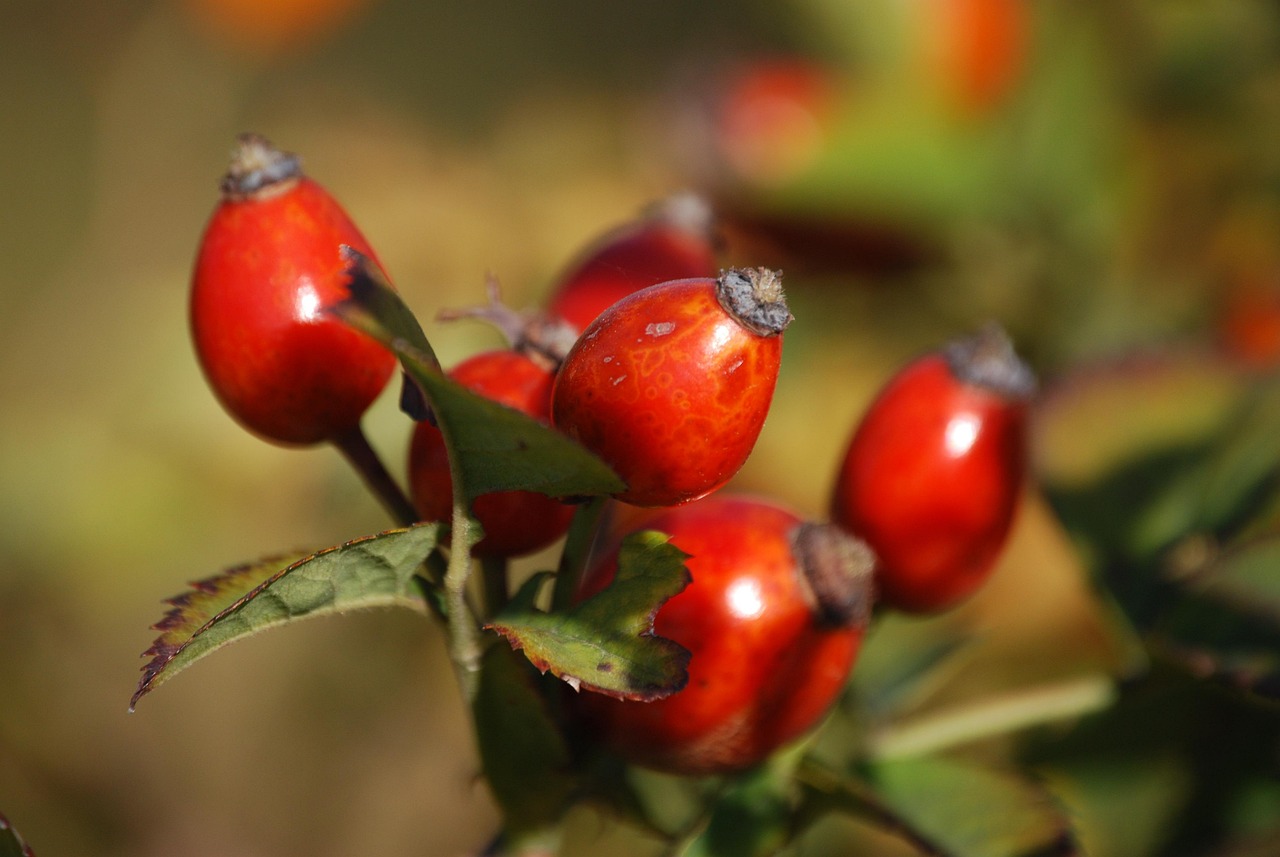
The first time I came home with a basket of foraged food, my family looked at it the way you might look at a stray dog you had invited in. There was a certain wariness. Fair enough, really. Foraging has a reputation, and not entirely without cause. But done slowly, with a good guide and a great deal of caution, it is one of the most rewarding ways to know a place.
A country lane is a fine classroom. It offers a narrow, manageable strip of hedgerow where you can learn a handful of plants well rather than a hundred plants badly. The hedgerow is also a larder that changes week by week, which teaches you to pay attention in a way that a supermarket never will.
The single best piece of advice I can give a beginner is to learn only the plants that cannot reasonably be confused with anything dangerous. Blackberries are the classic starting point, and for good reason. Nothing else in a British hedgerow looks quite like a blackberry. They are abundant in late summer and early autumn, they are delicious, and picking them is a pleasure in itself. Slowing down to pick a bowlful teaches you the pace of foraging, which is unhurried and attentive.
From there, you might add elderflower in early summer and elderberries in autumn. Elderflowers are frothy and distinctive, and the berries are deep purple-black when truly ripe. Do cook the berries; raw ones are not kind to the stomach. Sloes, the fruit of the blackthorn, are another safe bet for the beginner, though they are far too bitter to eat raw and are best turned into gin or jelly. Their identifying feature is the blue-grey bloom on the skin and the fact that they cling to bare branches long after the leaves have gone.
What I would not recommend, as a beginner, is mushrooms. There are people who know fungi deeply and safely, and I am not one of them. The stakes are simply too high for guesswork.
Foraging is not the same as harvesting. The hedgerow belongs to a whole community of birds, insects, and mammals, and you are a visitor. Take only what you will genuinely use, and never strip a bush bare. Leave plenty for the wildlife, and leave the roots undisturbed so the plant returns next year. If you are on private land, ask. If you are on a nature reserve, check the rules, which are often stricter than you might expect. A little courtesy goes a long way and keeps the pastime welcome.
Wash everything you bring home, and be mindful of where you picked. Busy roadside verges carry exhaust residue, and low-hanging fruit may have been visited by dogs. Higher up the hedge is usually cleaner and, conveniently, often the best fruit anyway.
The real pleasure of foraging is not the free food, though that is pleasant. It is the way it changes a walk. Suddenly you are reading the lane, noticing what is ripe and what is weeks away, and marking the spots to return to. A familiar path becomes a calendar. That, more than any jar of jelly, is what keeps me going back.
