Smallholding
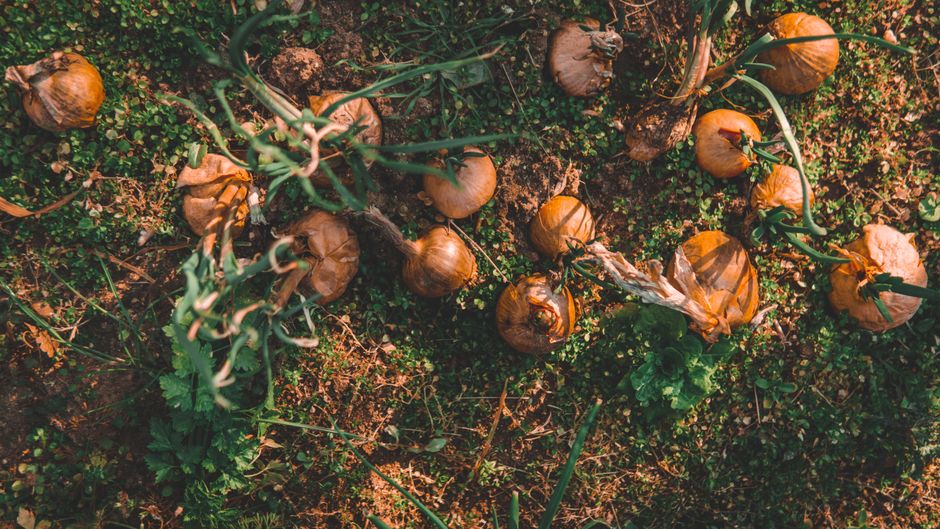
By mid-August the kitchen garden has stopped being polite. The courgettes have turned into marrows overnight, the runner beans have reached the top of their canes and started back down again, and the parsley has bolted in a way that feels almost personal. This is the moment when a small plot stops being a project and becomes a job — but it is, I think, the best job there is.
There is a particular pleasure in walking out with a colander and coming back with dinner. It is not really about saving money, though it does. It is about the ten minutes of quiet before the day properly begins, the dew soaking through your shoes, the sound of bees already busy in the lavender. A kitchen garden forces you to pay attention in a way that a supermarket never will.
The temptation in late summer is to pick everything at once. Resist it. Beans are best when the pod snaps cleanly and the seeds inside are still small; leave them too long and the plant thinks its work is done and stops producing. Courgettes should be cut young and often — a marrow left on the plant will quietly tell its neighbours to slow down. Tomatoes, on the other hand, reward a little patience. Wait for the smell. A tomato that smells of tomato is a tomato worth eating.
Salad leaves are the opposite: cut them hard and they will come again. A row of loose-leaf lettuce sown in July will carry you into September if you water it in the evenings and pick outer leaves rather than pulling the whole plant. And herbs — basil especially — want their tips pinched regularly. Every pinch is a small act of faith that there will be more.
One of the quieter lessons of a small garden is that abundance is not the same as variety. It is easy to fill a plot with a dozen half-hearted crops and end up with nothing worth a plate. Better, I think, to grow four things well: a climbing bean, a tomato you actually like, a cut-and-come-again salad, and one herb you use constantly. Everything else is a bonus.
This is also the season to start thinking about what comes next. Bare patches where the broad beans stood are perfect for a late sowing of winter salad or spinach. Garlic wants planting in October, not spring, whatever the packets say. And the compost heap — that quiet engine of the whole operation — should be turned once before the rains arrive.
None of this is complicated. It is just steady, unhurried work, done in the cool of the morning or the last of the light. The reward is not a perfect garden. It is a bowl of beans, a handful of herbs, and the knowledge that you were there for all of it.
