Country Living
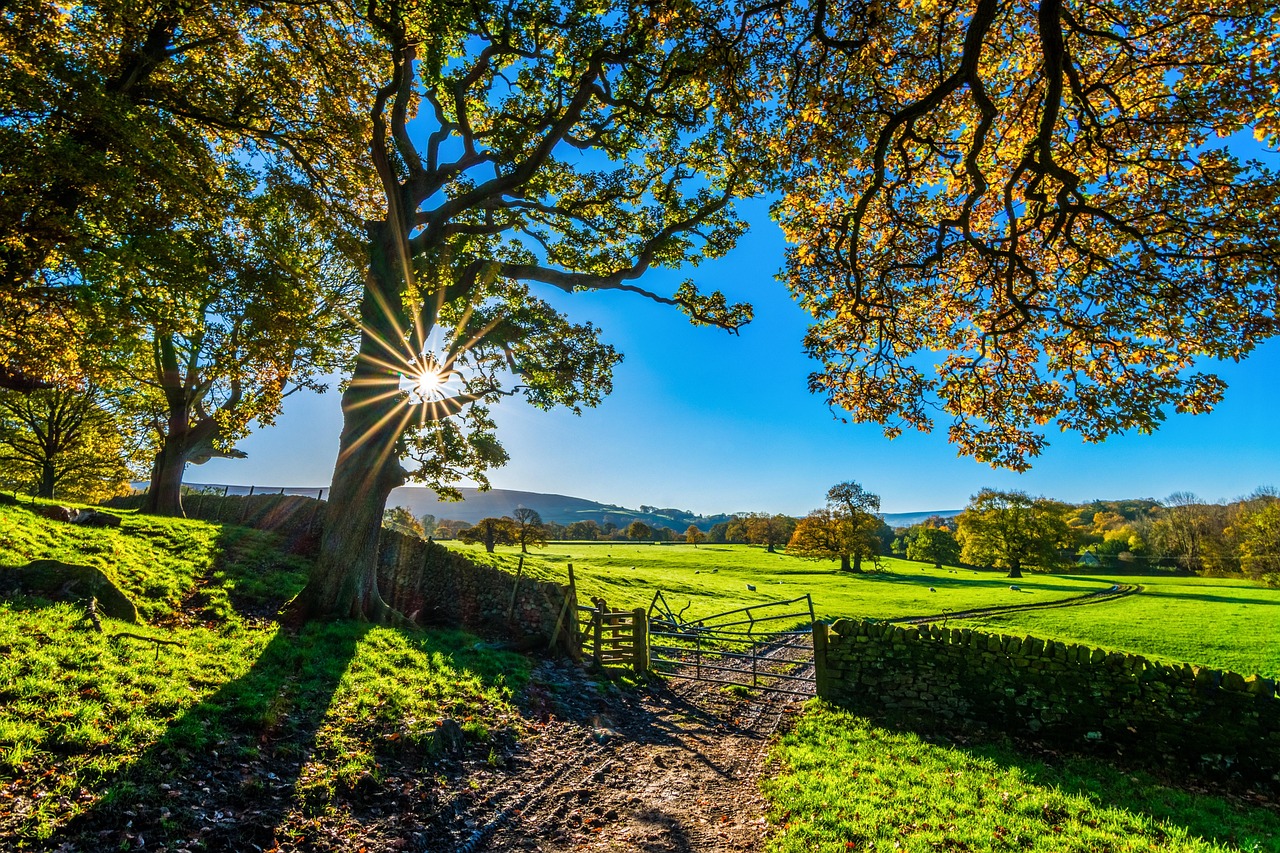
There is a particular morning in late autumn when you step outside and the air has changed. The ground is harder underfoot, the grass carries a faint silver sheen, and you realise with a small jolt that the season you have been reading about is finally here. For anyone new to a smallholding, that first winter is a proper education. The books tell you what to do, but the cold has a way of finding the gaps in your planning.
We moved onto our few acres in early spring, which is the kindest time to arrive. Everything was soft and forgiving. By the time December came around, we understood why our neighbours had spent October stacking wood with such quiet urgency. Winter on a small property is not simply a matter of endurance; it is a matter of preparation done in advance, ideally on a dry day when your fingers still work properly.
The first thing to fail in freezing weather is almost always water. Outside taps seize, troughs ice over, and hoses become stiff and useless. Lagging exposed pipes is the obvious fix, but the less obvious one is having a backup. We keep a couple of large lidded containers filled in the shed, and a kettle reserved for thawing drinking water on the mornings when everything outside is solid. It takes ten minutes and saves an hour of frustration.
Shelter for animals matters more than warmth. A dry, draught-free space out of the prevailing wind does more good than any amount of extra bedding. We learned to check that ventilation still works even when the doors are closed, because damp air trapped in a shed is worse for lungs than cold air moving through. Deep bedding, topped up rather than stripped out, gives a layer of warmth that the animals generate themselves. It also means less mucking out in the worst of the weather, which is a kindness to the keeper as much as the kept.
Then there are the small jobs that repay you later. Checking fence lines before the ground freezes, because a post set in frozen soil is a misery to fix. Bringing in the last of the tools from the field. Making sure the torch batteries are fresh, since the dark arrives so early. None of it is glamorous, and none of it photographs well, but this is the work that carries a place through to spring.
It is easy to forget that the person doing the rounds also needs looking after. Winter on a smallholding is physically harder and mentally darker. We started a habit of doing the morning checks together when we can, partly for the company and partly because two sets of eyes catch things one set misses. A frozen pipe, a limping ewe, a gate left swinging in the wind, all are easier to spot when you are not alone and hurrying.
We also learned to keep a small stash of easy meals for the days when you come in cold and muddy and cannot face cooking from scratch. A pot of soup on the stove before you go out is a small act of forward planning that feels like luxury by lunchtime. And we stopped apologising for the mud. There is no keeping a smallholding tidy in January. The best you can do is keep it safe.
By the time the first proper frost came, we were as ready as we were ever going to be, which is to say partly ready and partly learning on the job. That, I think, is the honest truth of it. You prepare what you can, you keep an eye on the things that matter, and you trust that the season will pass. It always does.
