Gardening
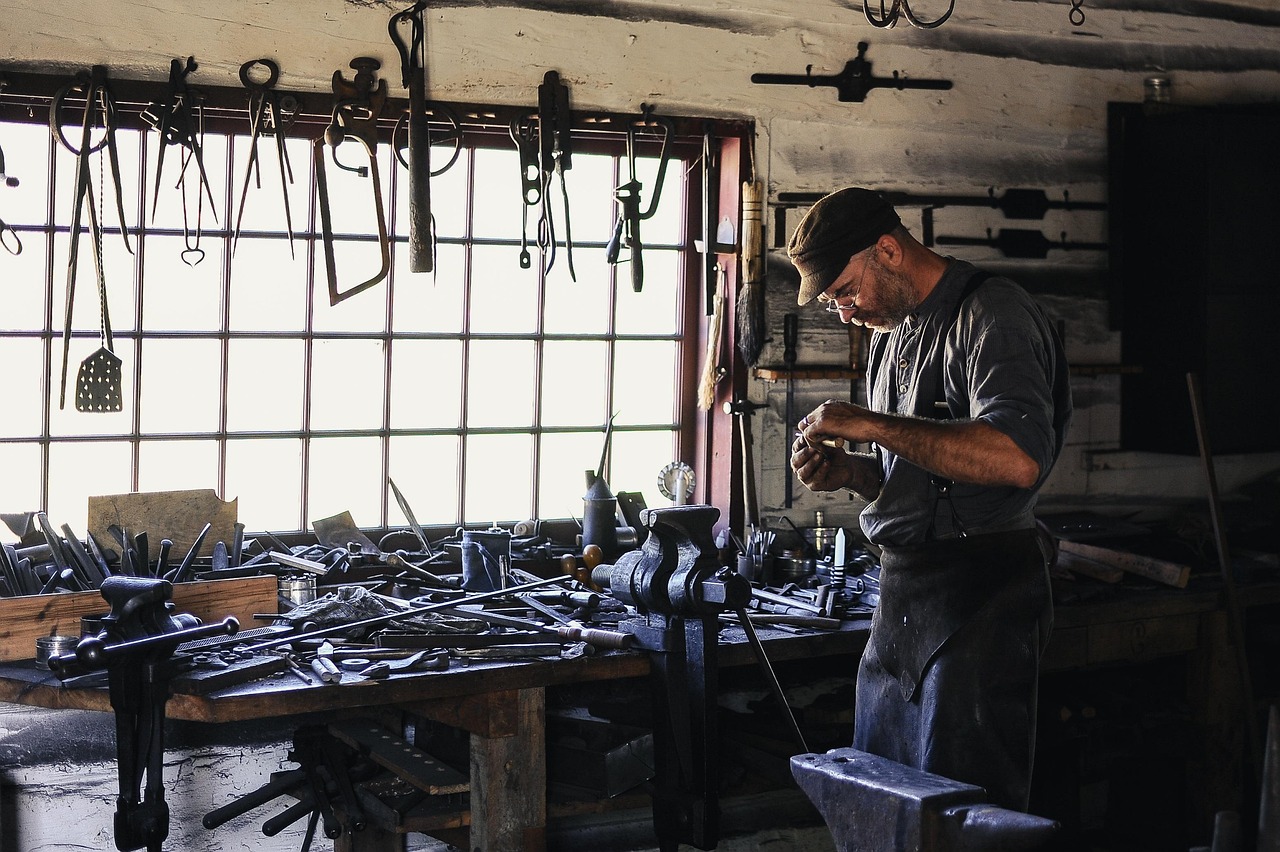
There is a moment in every country household when something breaks and you have a choice. You can drive into town and replace it, or you can sit down and fix it. For years, I took the first option without really thinking about it. It was faster, easier, and the replacement was usually cheap. But somewhere along the way, I started to notice how much I was throwing away, and how little I knew about the things I owned.
Mending is not just thrift, though it is that too. It is a way of paying attention. When you repair something, you learn how it is made, what it is made of, and where it is likely to fail next. That knowledge changes how you buy. You start to favour things that can be taken apart, sharpened, patched, or rehandled. You start to resent the sealed units that cannot be opened and the plastic fittings that crack at the first frost.
You do not need a workshop full of tools to begin. A decent sewing kit, a set of screwdrivers, a sharp knife, a file, a roll of wire, and a pot of strong glue will handle most of what a country home throws at you. Add a whetstone for the knives and shears, and a spool of heavy thread for the work coats, and you are better equipped than most.
The first repairs I learned were the small ones. Replacing a button on a coat, which I had somehow avoided learning until my thirties. Darning a sock, which is oddly meditative once you get the hang of it and gives you a pair of socks that outlast the original. Sharpening a spade, which is a five-minute job that transforms the tool. Patching a tear in a work jacket with a square of canvas and a needle, in a way that looks deliberate rather than apologetic. Each of these is a small victory, and each one saves something from the bin.
Bigger jobs come with time. A wobbly gate is usually a matter of a new hinge or a tightened bolt. A leaking trough can often be sealed. A cracked handle on a hammer can be replaced with a new shaft for the price of a coffee. The point is not to be able to fix everything. It is to be willing to look at a broken thing and ask whether it is truly finished.
There is a particular pleasure in using a tool you have repaired yourself. The spade that cuts cleanly because you took ten minutes with a file. The coat that has a patch on the elbow you stitched on a wet afternoon. The gate that swings true because you finally got round to it. These things carry a story. They are not just objects anymore; they are evidence of a relationship.
I am not suggesting we all become master craftspeople. Some things are genuinely beyond saving, and some repairs cost more than a replacement. But the habit of asking the question is worth cultivating. In a world that encourages us to replace and forget, mending is a small act of resistance. It keeps things out of landfill, it saves money, and it makes the home a place where things are known rather than merely used. And on a cold evening, when you pull on the coat you patched yourself, there is a warmth in it that no new one can quite match.
