Smallholding
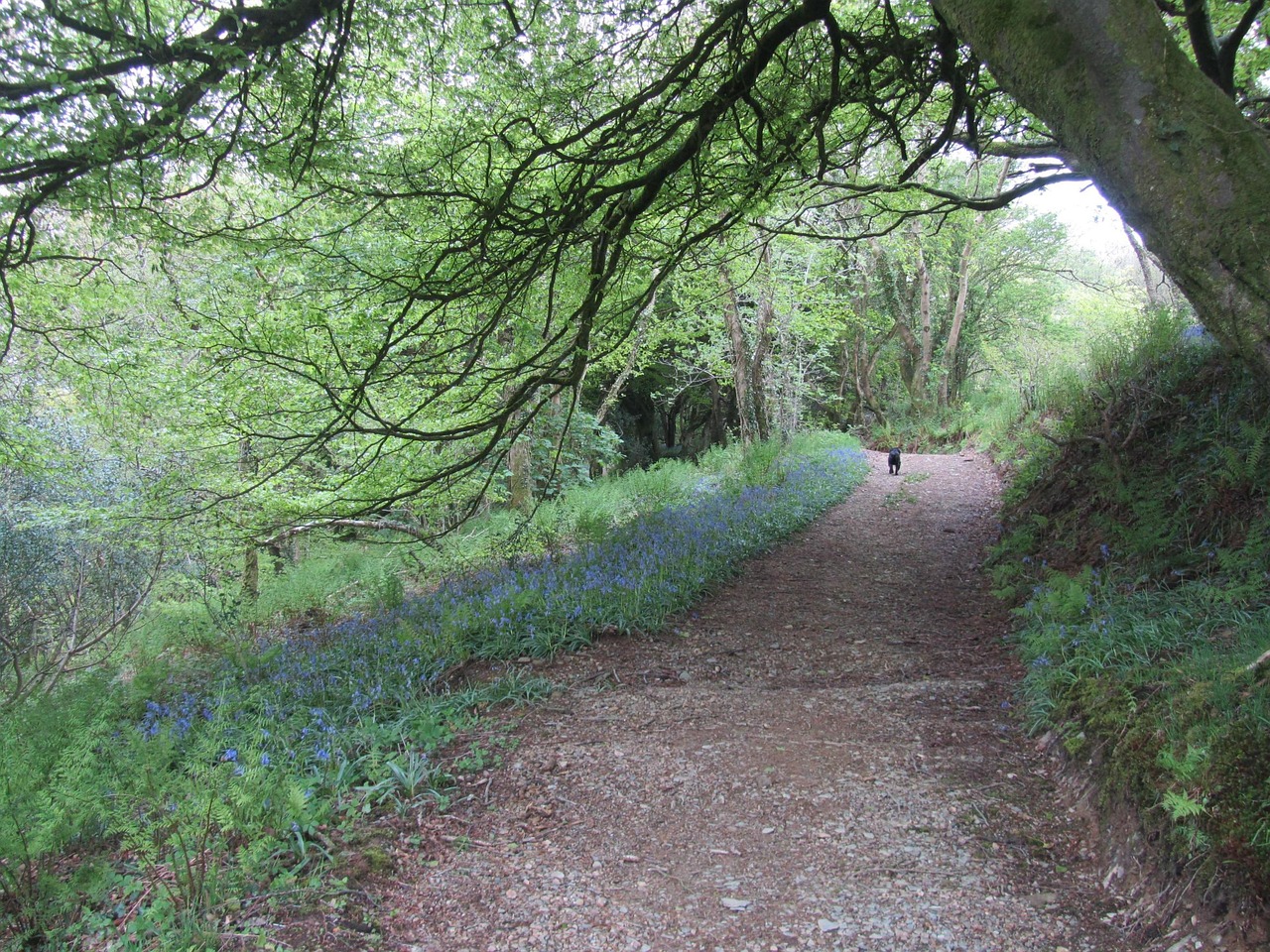
There is a footpath near here that I have walked perhaps four hundred times. It runs along the edge of a field, drops through a small wood, crosses a stream on a plank bridge, and climbs again to a gate with a view of three counties on a clear day. I know every stile. I know where the mud is worst after rain and where the early sun lands first.
And yet I have never once come back from it feeling that I had wasted the hour. This is not a profound observation, but it is one worth making, because the modern instinct is to seek novelty — a new trail, a new view, a new place to be. Repetition, by contrast, looks like a failure of imagination. It is not. It is a different kind of attention.
When you walk the same path often, you stop looking at the path and start looking at everything around it. The first hazel catkins in February, which appear on the same tree every year, a week or two earlier or later. The exact moment the ash comes into leaf — always after the oak, as the old rhyme says, and it has held true every spring I have checked.
You notice the small dramas. A badger sett with fresh spoil. A kestrel that hunts the same hedge line at the same time each afternoon. The way the stream changes after a night of heavy rain, cutting a new channel through the gravel and then quietly filling it in again over the following weeks.
You also notice the human traces: a new gate, a fallen fence, the sudden neatness of a hedge that has been laid. A footpath is a working thing, and someone is always maintaining it, usually unseen.
There is a practical case for repetition too. A walk you know well is a walk you can take in any weather, at any hour, without planning. It becomes a reliable hinge in the day — twenty minutes that belong to no one else. It is where problems get turned over, where difficult conversations are rehearsed, where nothing much happens and that is the point.
And there is something quietly reassuring about a place that carries on regardless. The same gate, the same view, the same slow turning of the year. It does not care whether you noticed it last week or not. It will be there next week too, and the week after, and it will have changed in ways you will only see if you keep coming back.
Find a path. Walk it until you know it. Then walk it again.
