Countryside Living
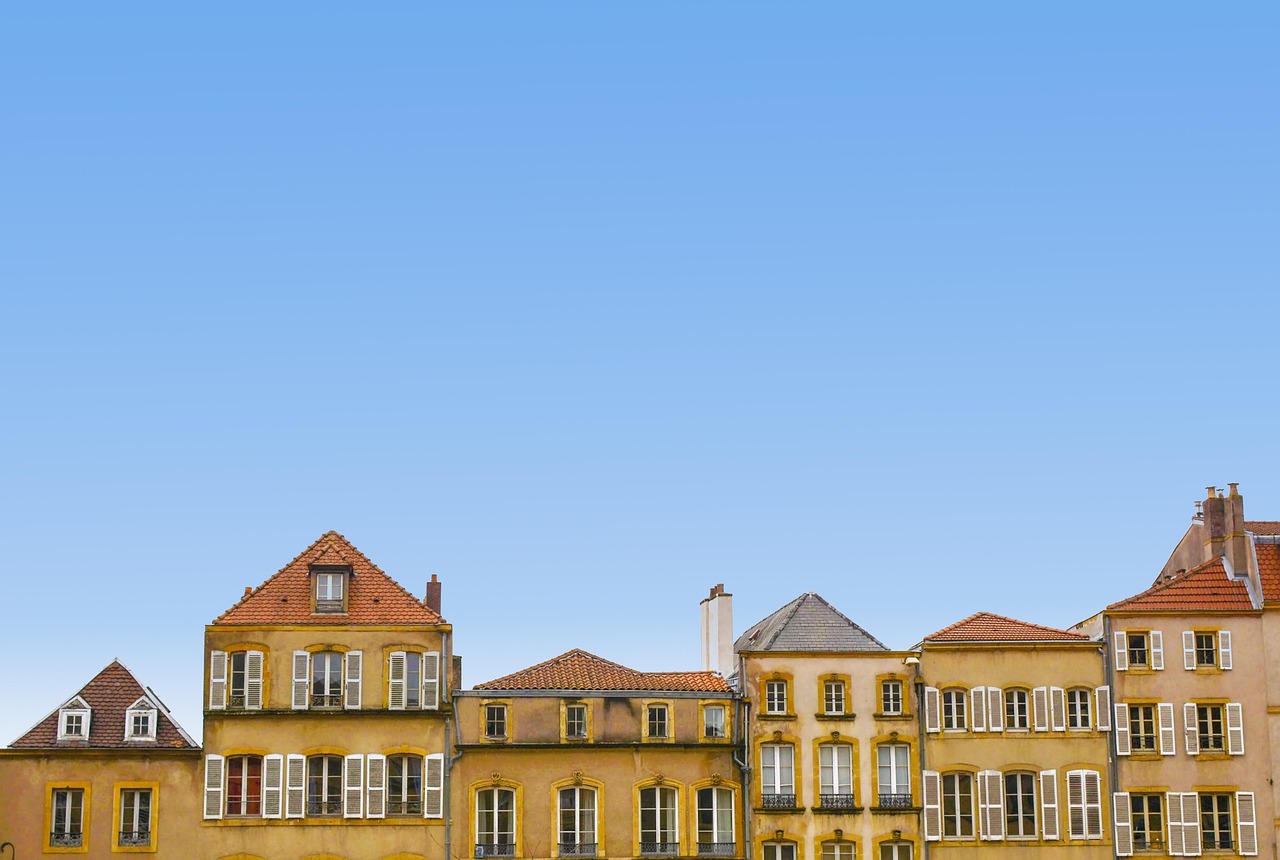
The village shop is a five-minute walk from our gate, down the lane and past the church. It is not a large shop. It stocks a bit of everything and not a great deal of anything. There are tins and tea, bread and milk, a small selection of vegetables, a freezer of peas and ice cream, and a shelf of local honey and jam. There is a postbox outside and a noticeboard by the door, thick with cards advertising kittens, piano lessons, and a lost cat that was found some years ago and never taken down.
On paper, it makes no sense. You could drive to the supermarket in fifteen minutes and buy everything cheaper. And yet the shop survives, because it is not really about the shopping. It is about the fact that someone knows your name, that the milk is there when you have run out, and that the village has a place to gather that is not a pub or a church.
The shop is where you hear things. Not gossip, exactly, though there is some of that. It is where you learn that the road will be closed on Tuesday, that the hedge on the corner is being cut, that someone's roof was damaged in the wind. It is where you find out who is unwell and who has had a baby and who needs a hand. Information travels through the shop in a way that no group chat quite manages, because it is carried by people who actually see each other.
It is also a place of small economies. The shopkeeper knows who is struggling and quietly extends credit. They know who cannot get out and will drop a bag of shopping round on their way home. They know which child is allowed sweets and which is not. This is not efficient, and it is not profitable in any sense a spreadsheet would recognise. It is simply what a community does when it has a place to do it in.
When our shop was threatened with closure a few years ago, the village did what villages do. There were meetings, and a share scheme, and a lot of people who had never thought much about the shop suddenly realised how much they would miss it. It was saved, just about, and now it runs as a community business with volunteers behind the counter on Saturdays. It is not glamorous. It is essential.
I think about the villages that have lost their shops, and I wonder what fills the gap. Often, nothing does. The pub may go too, and the church, and the school. What is left is a collection of houses where people sleep but do not quite live together. That is not a criticism of the people who live there. It is simply what happens when the places that hold a community together are allowed to close one by one.
So we shop at the village shop, even when it is more expensive. We buy the milk and the bread and the slightly sad vegetables, and we chat at the counter, and we read the noticeboard. It costs a little more and takes a little longer, and it is worth every penny. Because a village without a shop is not quite a village. It is a place on a map. And I would rather live somewhere that is more than that.
