Country Living
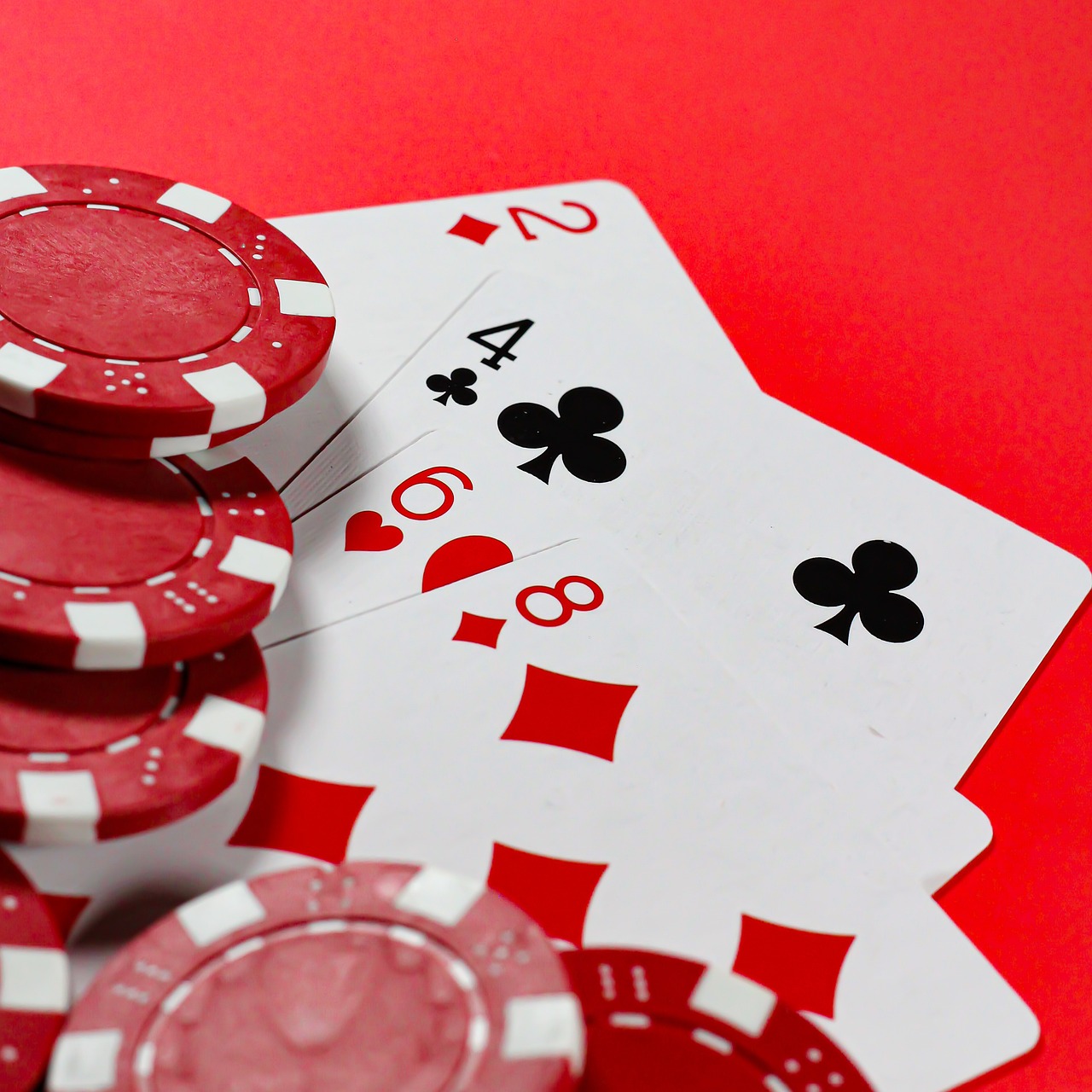
Most people who lose money in online casinos don't lose it because they're unlucky. They lose it because they never bothered to understand what they were actually playing. That's the uncomfortable truth hiding behind all the flashing jackpot tickers and free-spin pop-ups. The iGaming world is enormous, polished, and genuinely entertaining — but it's also a marketplace where the house has already done the math on you. Your only real defense is doing a little math back.
This isn't a lecture about quitting. It's the opposite. If you're going to play slots, bet on football, and grind the poker tables, you should at least know the difference between a game you can beat and a game that quietly eats 8% of every dollar you feed it. Let's dig in.
Every casino game carries a built-in advantage for the operator. That's not scandalous; it's how the business exists. What matters is how big that advantage is, because the gap between games is enormous — far bigger than most casual players realize.
See the pattern? The games that feel slowest and least exciting — blackjack, baccarat — are the ones where your money lasts the longest. The games designed to deliver constant dopamine hits are the ones that bleed you fastest. Slot designers know this. That's exactly why slot machines dominate casino floors and app lobbies. They're not the most popular game by accident; they're the most popular because they're engineered to be.
When you open a slot, the number that actually matters is RTP — return to player. An RTP of 96% means that, over millions of spins, the machine pays back 96 cents per dollar wagered. In the short run, of course, anything can happen. Over a few hundred spins you might be up 300% or down to nothing. But the RTP is the gravity that eventually pulls everything back toward the average.
Two other terms worth burning into memory:
Practical tip: if two slots have the same theme and similar visuals, pick the one with the higher RTP. A 96.5% slot versus a 92% slot sounds like a rounding error, but over a thousand $1 spins that's a $45 difference in expected loss. Over a year of regular play, it's the cost of a decent vacation.
Here's the beauty of poker: you're not playing against the house. You're playing against other humans, and the casino just takes a cut (the rake). That means poker is the only mainstream casino game where a skilled player has a legitimate long-term edge — and where a weak player is the prey.
The catch is that the skill gap in poker is brutal. Modern online poker, especially at low and mid stakes, is populated by players who have studied solvers, memorized range charts, and track their results in databases. Twenty years ago you could profit just by being patient and not chasing draws. Today, "playing tight and waiting for good hands" gets you slowly blinded out by aggressive regulars.
If three or more of those apply, the honest move is to play micro-stakes, treat it as tuition, and study. Read one solid poker book, use a tracker, and post hands in a forum for feedback. Poker rewards discipline more than talent. A detailed guide is available at สล็อต.
Sportsbooks are not casinos in the traditional sense — they're prediction markets with a built-in margin. The "vig" or "juice" is the commission baked into the odds. A standard -110 line on both sides of a bet means you need to win about 52.4% of your wagers just to break even. That's a thin needle to thread over a full season.
A few hard-won principles:
Nobody wants to hear about bankroll management. It's not sexy. But it's the single habit that determines whether you're still enjoying this hobby in five years or quietly hating yourself every time you open an app.
A simple framework: set a monthly entertainment budget for gambling that you would be genuinely fine losing. Not "annoyed" — fine. Then divide it so no single session can wipe out more than a fraction of it. For slots, a typical rule is 1–2% of your bankroll per spin. For poker cash games, 5% per buy-in. For tournaments and sports bets, keep individual wagers small enough that a bad run doesn't change your behavior.
And take breaks. Seriously. Set a timer. Close the app. Walk outside. Tilt and fatigue are the two most expensive emotions in gambling, and both are entirely predictable.
iGaming is entertainment with a price tag, and the price tag varies wildly depending on what you choose to play. A thoughtful bettor treats slots as paid amusement with a known cost, treats poker as a skill pursuit that requires real study, and treats sports betting as a market where value is rare and must be hunted carefully. The players who last aren't the ones who get lucky — they're the ones who understand the math, respect the variance, and never wager money they'd miss. That's the whole game behind the game.
