Country Living
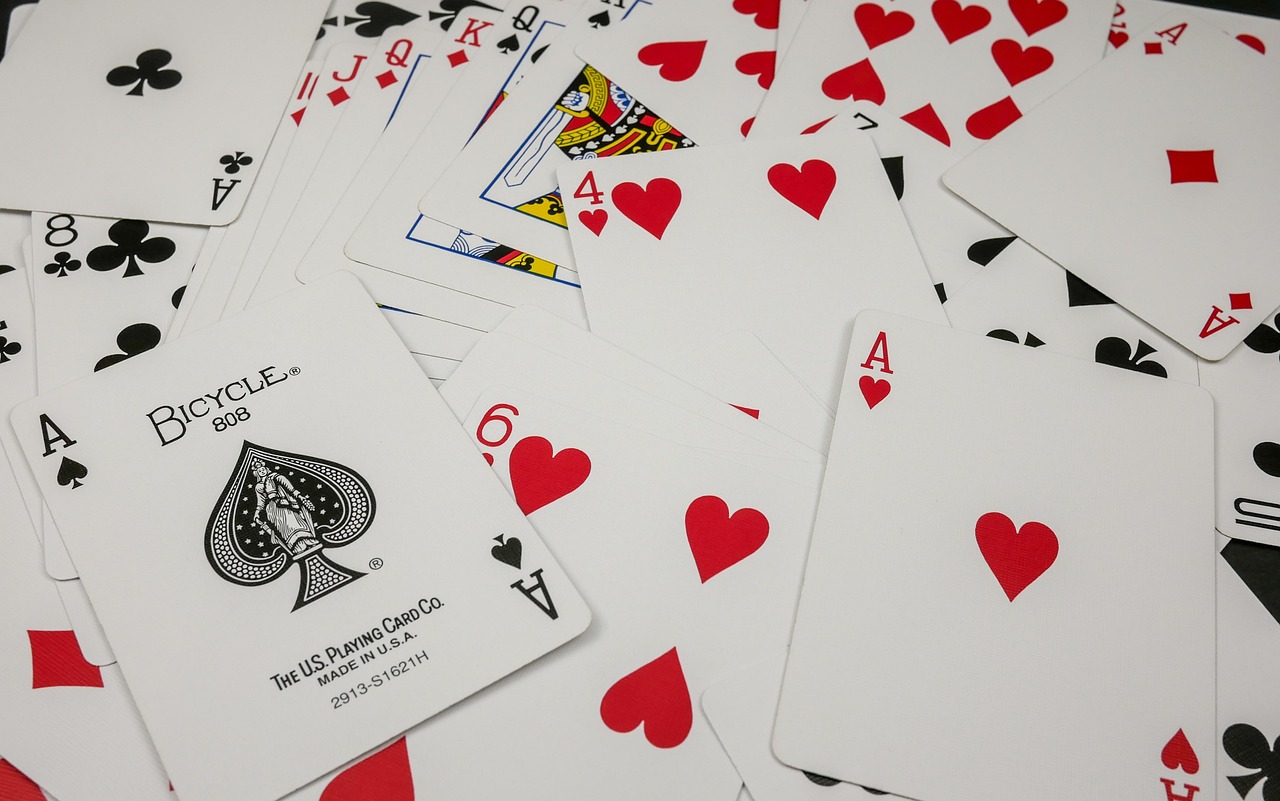
Most players lose because they treat every game as the same gamble. It isn't. A slot machine, a poker table, and a sportsbook operate on completely different mathematics, different edges, and different opportunity. Understanding those differences won't turn you into a guaranteed winner — nothing will — but it will stop you from being the player the house quietly loves.
Let's break down what actually matters across slots, poker, and betting, with numbers you can use tonight.
Every game has an expected loss per dollar wagered. That single figure determines more about your long-term outcome than luck, hot streaks, or the size of your bankroll.
That spread is enormous. A player running $500 through American roulette loses about $26 in expectation. The same $500 through blackjack with smart play? Around $2.50. Slots sit somewhere in the middle, which is why choosing the right machine actually matters.
Modern slot machines use random number generators. There is no memory. A machine that hasn't paid out in three hours is no more likely to hit than one that just paid. The only things you can genuinely evaluate are RTP (return to player) and volatility.
RTP tells you the theoretical return over millions of spins. A 96% RTP slot returns $96 for every $100 wagered across that enormous sample. Practically, you'll see wild swings around that number.
Volatility is how those swings are distributed:
If you're playing with $50, a high-volatility slot with a $1 minimum bet is a coin flip on whether you last twenty minutes. If you're chasing a jackpot, that's the trade you're making. Just don't pretend it's a value play.
One practical tip: check the paytable before you spin. Games with 243 or 1024 ways to win and stacked wilds in the base game tend to feel better than ones that only unlock anything meaningful in the bonus. Perceived value matters for enjoyment; actual value still depends on RTP.
This is the fundamental distinction. In slots and most betting markets, you're paying to play against a mathematical house edge. In poker, you're playing against other humans, and the house takes a rake regardless of who wins.
That means a skilled player can be profitable over time. Not every session, not every month, but over hundreds of thousands of hands. The edge in a typical low-stakes no-limit hold'em game might be 2 to 5 big blinds per 100 hands for a solid regular. That's thin — but it compounds. Those comparing choices often turn to สล็อต.
The skills that matter most, in rough order of importance:
If you can't identify which of those four is your weakness, you're not ready for the higher stakes. Most players jump up too fast because they won a few sessions and feel invincible. Variance will find them.
Two bookmakers offering the same NFL game with different prices is an arbitrage the market hasn't fully corrected. The difference between -105 and -110 might look trivial. It isn't.
Let's say you bet $100 on a team at -110. You risk $110 to win $100. At -105, you risk $105 to win $100. Over 100 bets, that nickel difference is $500 you either keep or hand over. Shopping two or three books before every bet is the single highest-ROI habit a recreational bettor can build.
Other fundamentals that separate winners from donors:
One more thing: bonuses and promos run by reputable books are real value — but only if you read the wagering requirements. A 100% bonus with 40x rollover on slots effectively requires $4,000 in action before you see a dollar of it. That's not free money; it's a loyalty discount with strings.
You can have perfect strategy and still go broke. The reason is almost always bankroll management, not bad luck. The rule is simple: never risk more than 1–2% of your total roll on a single bet or spin, and never deposit money you'd miss if it vanished.
Set a loss limit before you open the app. Set a win target too. When you hit either, stop. This isn't a mindset hack — it's the only thing that consistently preserves a player's ability to keep playing on their own terms.
iGaming rewards players who treat every game on its own terms. Slots are entertainment with a known price tag; choose high-RTP, low-volatility titles if you want the ride to last. Poker is a skill game where discipline and study can actually flip the equation in your favor. Sports betting is a market where line shopping and specialization create a legitimate edge over lazy bettors.
The common thread is math plus restraint. The players who lose aren't unlucky — they're paying for information and discipline they didn't bother to acquire. You don't have to join them. Pick one vertical, learn its numbers, manage your roll like it's finite (because it is), and you'll be operating better than 90% of the field. That's not a guarantee of profit. It's a guarantee you won't be the guy the house counts on to pay for the renovations.
